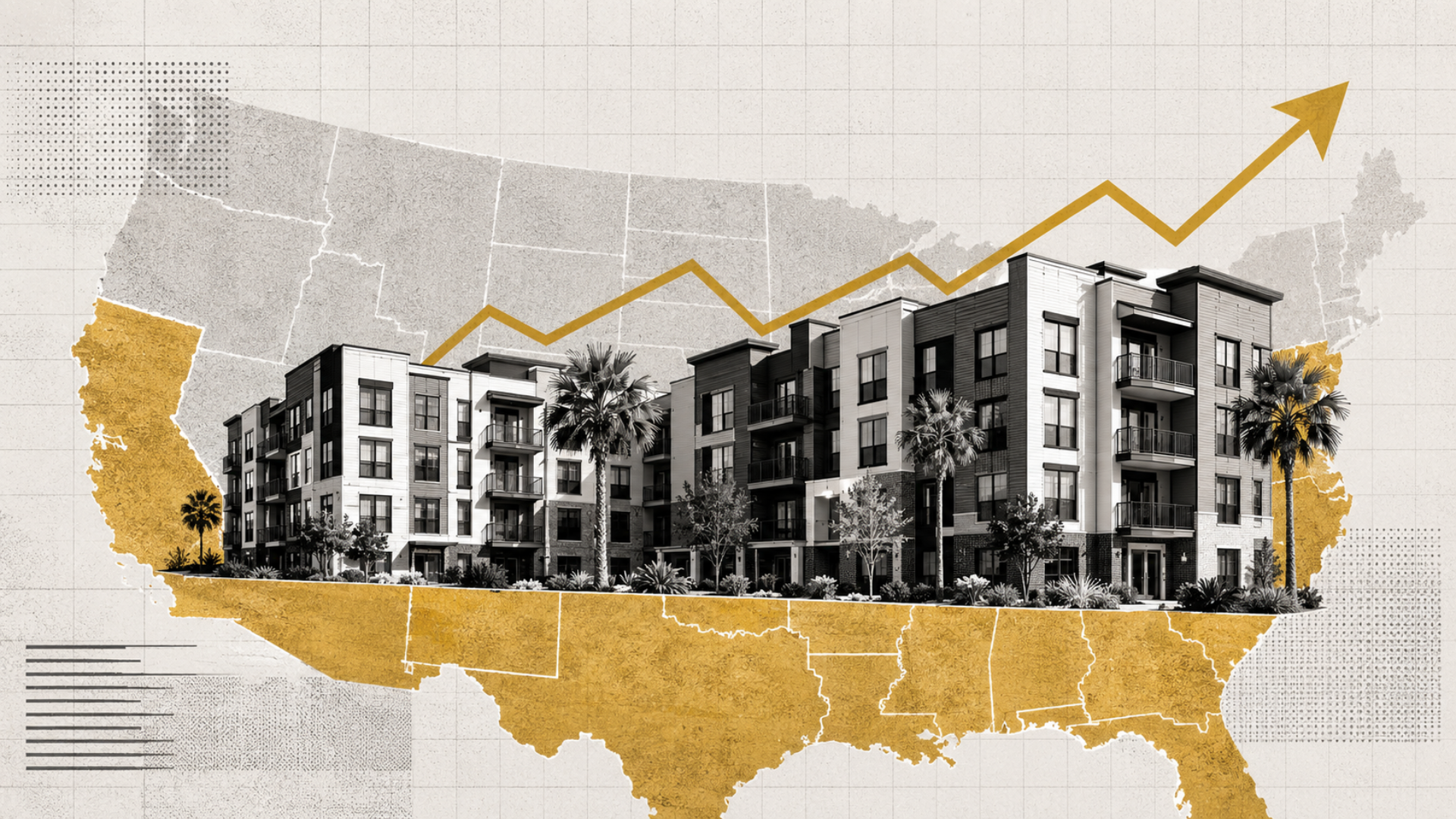
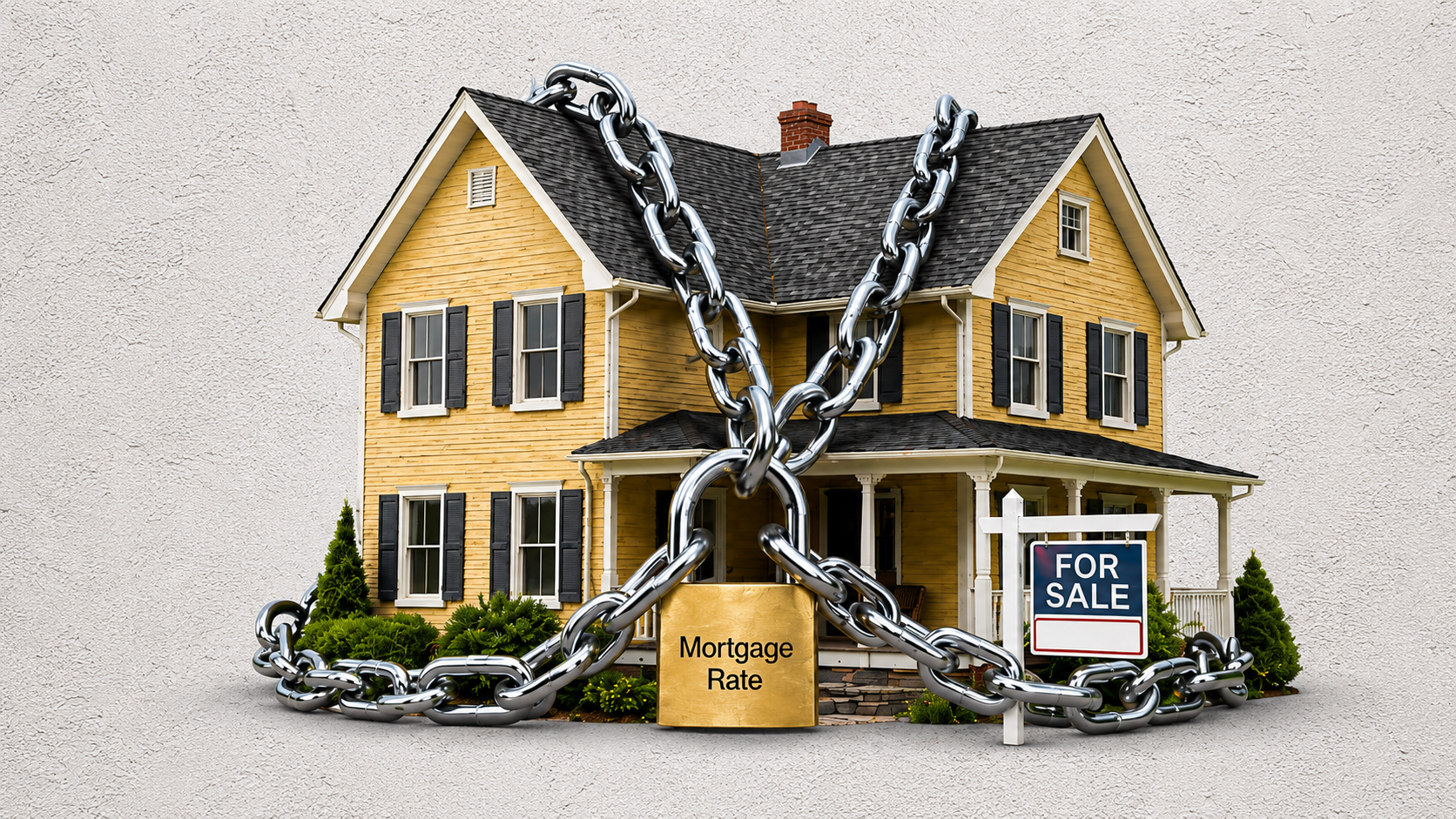
Housing was on the ballot in seven states last week. Not as a campaign talking point, but as actual ballot measures with real consequences: bonds for affordable construction, property tax caps for apartment owners, zoning reform proposals, and new local financing tools. The results were mixed, and the outcomes in states far from our own portfolio have implications for how the investment environment in multifamily is likely to evolve.
Nicole Upano, assistant vice president of housing policy and regulatory affairs at the National Apartment Association, called affordability the defining issue for voters this cycle. The measures that passed reflect that: voters in California, Florida, Hawaii, Rhode Island, North Carolina, and Tennessee all acted on housing in some form. What they chose tells us something about where the political will is, and where it isn't.
Here is a state-by-state breakdown, what each result means, and what we are watching for FCP.
1. California: $11.25 Billion in Housing Bonds
California voters approved Proposition 1, authorizing $11.25 billion in housing bonds. Of that total, $1.25 billion is designated for veteran housing, and the remaining $10 billion is allocated to broader housing programs. Per the National Apartment Association, $7.2 billion of the total is targeted at affordable multifamily programs specifically, and the bonds could support up to 40,000 multifamily units.
Voters also considered Proposition 45, which would have accelerated environmental review for housing projects deemed essential by setting permit deadlines and limiting legal challenges. It was narrowly defeated.
The bond passage is significant capital. $7.2 billion directed at affordable multifamily programs is a meaningful injection into California's development pipeline, particularly for workforce and affordable housing that struggles to pencil at conventional financing rates. The defeat of Proposition 45 is the more cautionary signal: even in the state with the most acute housing shortage in the country, streamlining environmental review for housing projects could not get over the finish line. Permitting reform remains politically difficult even where housing need is most visible.
Investor takeaway: California's bond approval creates capital but does not solve the entitlement and permitting bottlenecks that drive up development costs. The defeat of Prop 45 confirms that supply-side regulatory reform, the more impactful long-term fix, is still a harder political sell than demand-side financing. Watch for how the $7.2 billion in multifamily bond proceeds gets deployed and whether it accelerates pipeline in California's gateway markets.
Plain English: California voters approved more than $11 billion to fund housing, including $7.2 billion specifically for apartment construction. That is real money for the market. But they also voted down a measure that would have made it faster and easier to get permits for housing projects. Capital and speed both matter for housing production. California got more of the former and none of the latter.
2. Florida: Property Tax Relief for Apartment Owners
Florida's Amendment 3 passed, lowering the annual cap on assessed value increases for non-homestead properties, which includes apartment buildings, from 10% to 5%. The change is a direct reduction in property tax exposure for multifamily owners in Florida.
Joel Berner of Realtor.com noted the measure could help ease property tax burdens on multifamily owners. Nicole Upano of the NAA added a caution: local governments that lose tax revenue under the cap may look to make it up through higher fees or other levies.
For Florida multifamily operators, cutting the annual cap in half is a real improvement in operating cost predictability. Property taxes are one of the hardest line items to forecast, and in rapidly appreciating markets like Tampa and the broader Florida peninsula, an uncapped or high-capped assessment trajectory can erode NOI significantly over a multi-year hold. Lowering the cap from 10% to 5% constrains that exposure meaningfully.
The Upano caution is worth taking seriously. Local governments in Florida depend heavily on property tax revenue, and a constrained assessment cap creates pressure to find revenue elsewhere. Fee increases and special assessments are the most common substitutes. We will be watching for any offsetting charges at the municipal level in markets where we operate.
Investor takeaway: Amendment 3 improves tax cost predictability for Florida multifamily owners and constrains a category of expense that has been difficult to forecast in high-appreciation markets. The practical benefit depends on how aggressively Tampa and other Florida municipalities respond with compensating fee increases. Net, this is a positive for FCP's Florida assets, with the caveat that local fee structures need to be monitored.
Plain English: Florida's apartments were subject to assessment increases of up to 10% per year for property tax purposes. Voters cut that cap to 5%. For apartment owners, that means lower and more predictable property tax bills over time, particularly in markets where property values have been rising quickly. The tradeoff is that local governments may find other ways to collect revenue, so the full benefit depends on what they do next.
3. Rhode Island: $120 Million for Affordable Housing
Rhode Island voters approved Question 2, a $120 million bond for affordable housing construction and preservation. More than 61% of voters said yes, one of the stronger approval margins of any housing measure on the ballot this cycle. At least $25 million of the total is designated for homeownership programs, and up to $10 million can flow to public housing.
Rhode Island is not a primary market for FCP, but the approval margin matters as a signal. A 61% yes vote on a housing bond in a New England state reflects the kind of broad, cross-partisan support that tends to drive durable policy momentum. When more than three in five voters approve a measure, it is not a close call. It is a mandate.
Investor takeaway: Rhode Island's bond passage adds to a growing list of state-level housing financing approvals that reflect genuine voter appetite for more supply. The pattern across California, Rhode Island, and Hawaii this cycle is consistent: voters will approve capital for housing when it is presented as a concrete solution to a visible problem. That political alignment between voter preference and housing investment creates a more favorable regulatory environment for the sector broadly.
Plain English: Rhode Island voters approved $120 million for affordable housing with a 61% majority. That is a decisive result that reflects genuine public support for housing investment, not a narrow or contested outcome. It adds to a pattern of voters across the country approving housing funding when given a direct choice.
4. Massachusetts: Zoning Reform Falls Short
Massachusetts Question 7 would have required jurisdictions across the state to allow single-family homes on smaller residential lots, effectively overriding local zoning minimums. It was narrowly defeated.
The defeat echoes California's Proposition 45 outcome: even in states with well-documented housing shortages and high costs, zoning reform that overrides local authority faces significant political resistance. The "local control" argument remains a powerful counterweight to statewide supply-side reform, even when the data on housing need is clear.
Nicole Upano noted that the NAA was grateful Massachusetts did not consider reinstituting rent control this cycle, a reminder that the ballot can cut both ways. A state that defeats a pro-supply zoning reform could just as easily reconsider rent stabilization measures in a future cycle.
Investor takeaway: The pattern of zoning reform measures performing poorly at the ballot, even in housing-constrained states, reinforces the view that supply-side regulatory change is more likely to come through the state legislature than through direct democracy. The voluntary right-to-build zone model from the Build More Agenda, which was discussed in last month's newsletter, is designed precisely to work around this dynamic by offering federal incentives rather than overriding local authority.
Plain English: Massachusetts tried to pass a statewide rule that would have allowed smaller lots for housing, reducing the minimum lot size requirements that make it hard to build in many communities. It didn't pass. The "we don't want the state telling our town what to do" argument won. That is a consistent pattern nationally and suggests that housing supply reform through direct voter measures is an uphill path in most places.
5. North Carolina and Tennessee: Property Tax Constraints
North Carolina voters approved a constitutional amendment requiring the state legislature to pass laws limiting local property tax levy increases. Tennessee's Amendment 2 bars the state's General Assembly from imposing a state-level property tax, while leaving local property tax authority intact.
Both measures constrain future tax increases, though in different ways. North Carolina's amendment works at the levy level, limiting how much total property tax revenue local governments can collect in a given year. Tennessee's amendment is narrower: it blocks a state property tax that did not exist in practice, but it codifies that protection in the state constitution.
Upano flagged the same concern for both states that she raised about Florida: when local governments face constraints on property tax revenue, they tend to find other ways to collect it. Impact fees, development fees, and utility rate increases are common substitutes. The net effect on operating costs depends on how aggressively local governments respond.
Investor takeaway: Both measures are directionally positive for multifamily owners in those states from a property tax perspective. The practical benefit depends on local government behavior in response to constrained levy authority. For operators with assets in North Carolina, the constitutional levy limit is a meaningful addition to operating cost predictability, though one that may be partially offset by fee increases at the local level.
Plain English: North Carolina and Tennessee both passed measures that limit property tax growth in different ways. For apartment owners, lower and more predictable property taxes are good for operating margins. The watch-out is that local governments that can't raise taxes as easily may raise fees instead, which can land on apartment owners just as directly.
6. Hawaii: RISE Bonds for Housing and Infrastructure
Hawaii voters approved Question 2, allowing counties and municipalities to issue RISE bonds, which stands for Resilient Infrastructure for Shelter and Equity. The bonds can be used for housing and other public works projects, with localities repaying them through future property tax revenue growth.
Hawaii is a highly constrained housing market, among the most supply-limited in the country on a per-capita basis, and the RISE bond mechanism gives local governments a new tool to finance housing infrastructure without requiring immediate tax increases. The repayment structure, based on future tax revenue growth, is similar to tax increment financing mechanisms used widely on the mainland.
Investor takeaway: RISE bonds are a financing mechanism, not a supply mandate. They give Hawaii's municipalities the ability to fund housing-enabling infrastructure, but whether they result in meaningful new multifamily supply depends on how aggressively local governments deploy the tool. Worth watching as a model: a bond structure that ties repayment to future tax revenue growth reduces the political cost of housing investment, which may make it replicable in other states.
Plain English: Hawaii voters gave local governments a new way to borrow money for housing and infrastructure, with the loans paid back using future growth in property tax revenue rather than current tax increases. It is a creative financing structure that reduces the upfront political cost of housing investment. Whether it actually produces more housing depends on whether Hawaii's localities use it aggressively.
7. What This Means for FCP
None of this week's ballot results affect Faris Capital Partners' current portfolio directly. Our assets are in Georgia, South Carolina, and Florida, and the most relevant state measure, Florida's Amendment 3, is a net positive for our Tampa-area asset.
The bigger picture matters more. Taken together, the midterm housing ballot results paint a consistent picture: voters are willing to fund housing, but they remain resistant to supply-side zoning reforms that override local authority. Capital is easier to pass than land use change. That pattern has been consistent across election cycles for a decade.
For multifamily operators, this means the supply constraint that drives rental demand in our markets is likely to persist. New construction is expensive, entitlement remains slow and uncertain, and the regulatory reforms that would meaningfully accelerate supply, right-to-build zones, streamlined environmental review, statewide density minimums, face the most political resistance at the ballot box. What passes instead is financing capital that tends to flow into affordable housing development, leaving the workforce housing segment, which is where FCP operates, relatively under-supplied.
- Florida Amendment 3 is a direct positive for our Largo asset, reducing the trajectory of assessed value increases for apartment buildings.
- The national housing deficit of 4.7 million units remains the structural backdrop for our markets. That is the deficit as of 2024, according to a Zillow analysis of U.S. Census Bureau data released in July 2026. It is plateauing, not shrinking.
- Supply-side reform resistance at the ballot confirms that the entitlement and permitting constraints driving up development costs are not going away quickly, which supports durable rental demand.
How We're Positioning
We operate in three high-growth Sun Belt metros, all of which are chronically undersupplied relative to population and employment growth. The midterm ballot results reinforce what our underwriting has assumed: housing supply in our markets will grow, but slowly, constrained by entitlement timelines and construction costs that are not going down. We are positioned to benefit from that environment. The properties we own serve the working and middle class in markets where demand exceeds supply and new competition is limited by the same forces voters repeatedly choose not to change.
Investor takeaway: The midterm housing ballot results confirm the structural supply constraint that underpins multifamily investment in markets like ours. Voters fund housing. They do not deregulate it. That dynamic protects existing operators from the most disruptive form of new supply competition, and it is the environment we have been building for.
Plain English: Voters across the country just showed us, again, that they want more housing but they do not want to change the rules that make it hard to build. That is good news for operators who already own apartments in markets that need more of them. We are one of those operators.
Plain-English Recap
Seven states voted on housing in last week's midterms. California approved $11.25 billion in housing bonds, with $7.2 billion targeted at affordable multifamily programs, but narrowly defeated a measure to streamline environmental review for housing. Florida passed Amendment 3, cutting the annual cap on assessed value increases for apartment buildings from 10% to 5%. Rhode Island approved $120 million in affordable housing bonds with 61% of the vote. Massachusetts defeated a zoning reform measure that would have required smaller lot sizes statewide. North Carolina and Tennessee both passed measures constraining property tax growth. Hawaii voters approved a new housing bond tool for local governments. The common thread across results: voters support financing for housing but consistently reject supply-side regulatory reforms that override local zoning authority. That dynamic keeps the entitlement and permitting constraints in place that make new multifamily supply slow and expensive, which supports durable rental demand in well-located, undersupplied markets like the ones where FCP operates.
If you'd like to be added to our investor list to see future opportunities, please schedule a call with our team.