Every fall, multifamily operators sit down to build the following year's budget. For the past two years, that process has been uncomfortable: rent growth was soft, expenses were rising faster than revenue, and the number of new apartments coming to market was keeping pressure on occupancy. The planning question was not "how much will we grow" but "how much can we protect."
For 2027, the mood is shifting. Rent declines are flattening. New supply is finally pulling back. Demand, by most measures, is improving. But the operators who have been through the cycle are not letting optimism get ahead of their spreadsheets. The theme across the industry this planning season is cautious flexibility: build for a range of outcomes, not a single optimistic scenario.
Multifamily Dive spoke with executives at Bell Partners, The Bainbridge Companies, RMK Management, CAPREIT, RR Living, and The Michaels Organization. Here is what they are planning for, and what it means for how well-run communities are going to operate next year.
1. Marketing Budgets Are Getting Smarter, Not Bigger
The traditional approach to marketing budgets was straightforward: set an annual number based on the prior year, allocate it across channels, and spend it. The problem is that multifamily demand is not static. A lease-up community in a softening market might need several times the marketing spend of a stabilized community in a supply-constrained one. A fixed annual budget cannot respond to that.
RR Living CEO Melanie French described a different approach: the firm now manages marketing dynamically, adjusting spend based on real-time inventory levels, traffic, conversion rates, and market conditions. The budget is a range, not a fixed line. If occupancy is strong, spending pulls back. If lease velocity slows, it ramps up. French put the philosophy plainly: "Our budgets need to be achievable rather than aspirational."
This is a meaningful shift from the way most real estate operators have historically budgeted for marketing, which tends to treat it like a fixed overhead cost rather than a variable one. The move toward dynamic marketing allocation reflects a broader maturation in how the industry thinks about revenue management, applying the same logic that drives pricing models to the demand generation that feeds those models.
Investor takeaway: Dynamic marketing allocation reduces the risk of over-spending in soft conditions or under-investing when demand is present. For operators managing communities across multiple markets with different supply dynamics, this kind of real-time adjustment is a structural advantage. Fixed marketing budgets in variable markets are a liability. Dynamic ones are a tool.
Plain English: Instead of setting a fixed marketing budget at the start of the year and sticking to it, leading operators are now adjusting what they spend on advertising based on what is actually happening at the property. If an apartment is leasing fast, they spend less. If it is sitting vacant, they spend more. This is more efficient and more responsive than the old way of doing it.
2. Rent Growth Expectations: Modest in 2027, Stronger in 2028
The rent growth picture for 2027 is not dramatic, but it is improving. The operators interviewed for this piece are not projecting anything close to the 2021-2022 surge. What they are projecting is stabilization: flat to modestly positive rent growth in 2027, followed by a more meaningful recovery in 2028 as the wave of new supply that started construction in 2022 and 2023 finally exhausts itself.
Bell Partners expects rent growth to improve in 2027 but is budgeting from the property level, because performance varies significantly by market. A community in metro Atlanta or Charleston may have a very different rent trajectory than one in Phoenix or Austin, where oversupply has been more severe. The Bainbridge Companies echoes this view: modest 2027 growth, stronger 2028.
CAPREIT's 2027 budgets reflect conservative rent assumptions. The logic is sound: it is easier to beat a conservative budget than to explain why you missed an optimistic one. In a market where the recovery is real but the timing is uncertain, conservative underwriting is not pessimism, it is discipline.
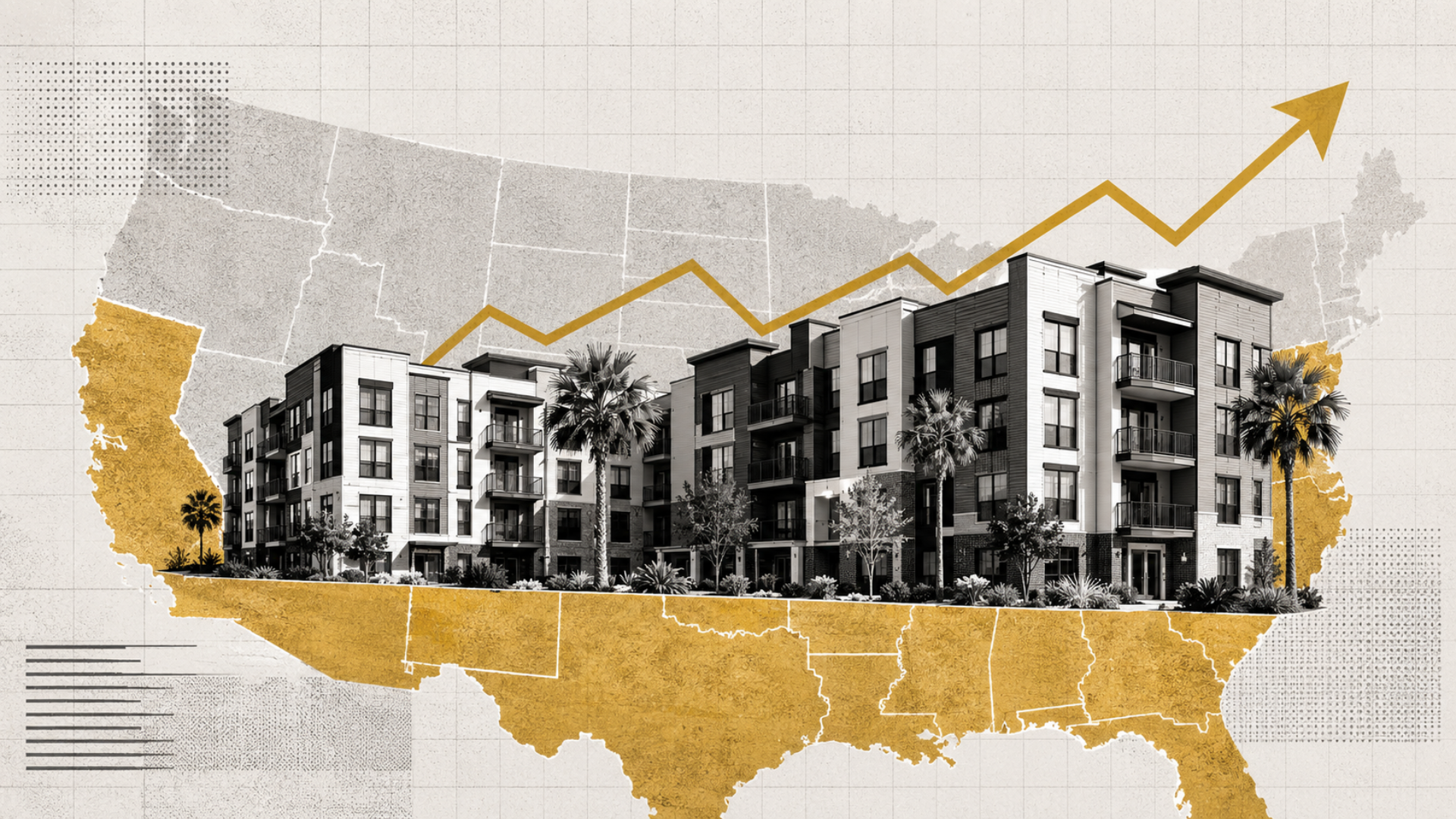
Investor takeaway: The consensus view among sophisticated operators is that 2027 is a stabilization year, not a growth year. Investors should expect that the communities in their portfolio are being managed to protect occupancy and maintain NOI, with meaningful rent growth more likely in 2028 and beyond. Communities in supply-constrained markets like metro Atlanta, Tampa, and Charleston are likely to recover faster than those in heavily overbuilt Sun Belt submarkets.
Plain English: Rents are not going to spike in 2027 the way they did in 2021 and 2022. But the worst of the softness is likely behind us. The operators who follow these markets most closely expect modest improvement in 2027 and a stronger recovery in 2028, as fewer new apartments come to market. The timing varies by city: some markets are already recovering, others still have supply pressure to work through.
3. Expense Scrutiny: Cutting What Is Not Working
If there is one area where the 2027 planning cycle represents a genuine departure from prior years, it is expenses. The 2022-2025 period was characterized by rising costs across the board: labor, insurance, utilities, and materials all moved higher. Many operators absorbed those increases without questioning whether every line item was earning its keep. For 2027, that is changing.
Operators are reviewing spending line by line. At The Michaels Organization, Cheree Lujan's team is examining vendor contracts, recurring charges, and potential duplication, "really challenging every line item instead of carrying forward what we did last year or the year before." Bell Partners flagged insurance, property taxes, and utilities as particularly uncertain, and said that if rent growth or occupancy misses expectations, it would first review discretionary spending, vendor contracts, and marketing effectiveness. As Bell's Wende Marshburn-Smith put it: "Our goal is always to protect NOI while preserving the quality of the resident experience."
Lujan also identified insurance, utilities, repairs, and labor as difficult to forecast. These are not easy cuts. Insurance rates have moved dramatically in markets like Tampa and Charleston due to weather-related risk, and there is limited ability to negotiate those costs in the near term. Utilities are subject to rate changes that operators cannot control. Labor is both the most important cost and the hardest to reduce without affecting service quality.
The more actionable category is vendor contracts and technology subscriptions: spending that was added incrementally over several years and may no longer be delivering value proportional to its cost. RMK Management's Diana Pittro said directly: "We plan to spend less on tech in the coming year," describing a deliberate shift away from new purchases and toward making existing systems work better.
Investor takeaway: Expense discipline is one of the primary levers available to NOI improvement in a soft rent environment. For investors, the question to ask about any portfolio community is whether its expense structure has been reviewed with the same rigor as its rent roll. Communities that carry legacy vendor contracts and underutilized technology subscriptions have a cost reduction opportunity that does not depend on the rental market recovering.
Plain English: Operators are going through their expenses line by line and asking: is this earning its cost? Some things, like insurance and utilities, are hard to control. But vendor contracts, software subscriptions, and advertising spend that no longer delivers results are getting cut. The goal is to run leaner without reducing the quality of service that keeps residents happy and renewing their leases.
4. Technology: From Buying to Using
The past three years saw a surge in technology adoption across the multifamily industry. AI-powered leasing tools, automated maintenance dispatch, revenue management platforms, resident communication apps, and operational analytics all attracted significant investment. For many operators, the result is a technology stack that is expensive, fragmented, and underutilized.
The 2027 planning cycle is producing a correction. RMK Management's decision to reduce tech spending and focus on training existing teams on current systems reflects a broader industry reckoning: software that nobody uses does not improve operations. The operators now asking "are we actually getting value from this" are doing something that should have been done a year or two ago.
That said, the shift is not a retreat from technology. CAPREIT plans to increase spending on technology infrastructure and data, and The Bainbridge Companies brought in an AI consultant to work with its teams. Bell Partners is prioritizing productivity tools while becoming more selective about products that add complexity. The common thread is integration over addition. As CAPREIT's Jennifer Kadish Cassell put it: "The question is no longer simply what new software to add, but how to get more from the tools we already have."
Investor takeaway: Technology investment in multifamily has not plateaued, but it is maturing. The operators adding value in 2027 will be the ones who extract return from what they already own rather than buying the next platform. For investors, this is a signal to ask about technology utilization, not just technology adoption: having the tools is not the same as using them effectively.
Plain English: The apartment industry spent a lot of money on software and technology over the past few years. Some of it is working. A lot of it is sitting unused. In 2027, smart operators are pausing on buying new tools and instead focusing on training their teams to actually use what they already have. The ones still investing in technology are doing it with a focus on connecting their existing systems, not adding new ones.
5. What This Means for FCP Communities
The planning discipline described in this article is not new to Faris Capital Partners. We manage our portfolio with the same foundational principles: budgets as living documents, expenses reviewed against value, and marketing tied to actual leasing conditions rather than fixed allocations. What this planning season confirms is that the operators doing it right are converging on a common approach.
For our communities specifically, the 2027 planning environment looks like this:
Rent growth will be modest but positive. In metro Atlanta, Tampa, and Charleston, new construction has slowed while demand has held, which supports a steady recovery. We are budgeting conservatively and planning for a range of outcomes.
Expense management is a priority, not a reaction. We are reviewing vendor contracts across the portfolio. Insurance and utilities remain our biggest cost uncertainty, and we are building contingency into our underwriting accordingly.
Our technology investments are AppFolio-centered. We went live with our in-house property management platform on October 1, 2026. The 2027 focus is training, adoption, and building the reporting infrastructure that allows us to manage our four in-house communities from a single data environment. We are not adding new tools. We are learning the ones we have.
Resident retention remains the best hedge. Renewing a resident costs a fraction of what it costs to turn a unit. In a soft rent environment, retention programs, maintenance responsiveness, and resident communication are not overhead. They are the primary driver of NOI stability.
How We're Positioning
At Faris Capital Partners, we operate our portfolio as a living business, not a static investment. The planning discipline that leading operators are describing for 2027 reflects the same approach we take: build for a range of outcomes, protect what matters to residents, and stay flexible on everything else. Our markets are structurally sound, our platform is in place, and our team is focused on executing the basics exceptionally well. That is what 2027 looks like from here.
Investor takeaway: The operators who come out of the 2025-2027 cycle ahead will be the ones who used the softness to sharpen their operations: leaner expense structures, better-trained teams, tighter marketing discipline, and stronger resident relationships. That is exactly what we are building. The recovery that is coming will reward the operators who did not wait for it to start preparing.
Plain English: 2027 is a year to run a tight ship. The market is improving but not dramatically. The operators who build in flexibility, cut what is not working, and take care of their residents are going to come out ahead. At FCP, that is the plan. We are not waiting for the market to recover before we get our operations right. We are getting them right now so we are ready when it does.
Plain-English Recap
Leading multifamily operators are entering 2027 with a clear-eyed, flexible approach to budgeting. The consensus: rent growth will be modest in 2027 and improve in 2028 as new supply deliveries slow. Marketing budgets are moving from fixed annual allocations to dynamic, real-time adjustments based on leasing conditions. Expense reviews are eliminating vendor contracts and technology subscriptions that are no longer delivering value, while protecting the spending that affects resident experience. Technology investment continues, but the focus has shifted from buying new tools to making existing ones work better. For Faris Capital Partners, the 2027 planning cycle confirms the direction we are already headed: tight operations, strong resident retention, a unified AppFolio platform across our four in-house communities, and conservative underwriting in markets where new supply is easing.
If you'd like to be added to our investor list to see future opportunities, please schedule a call with our team.